
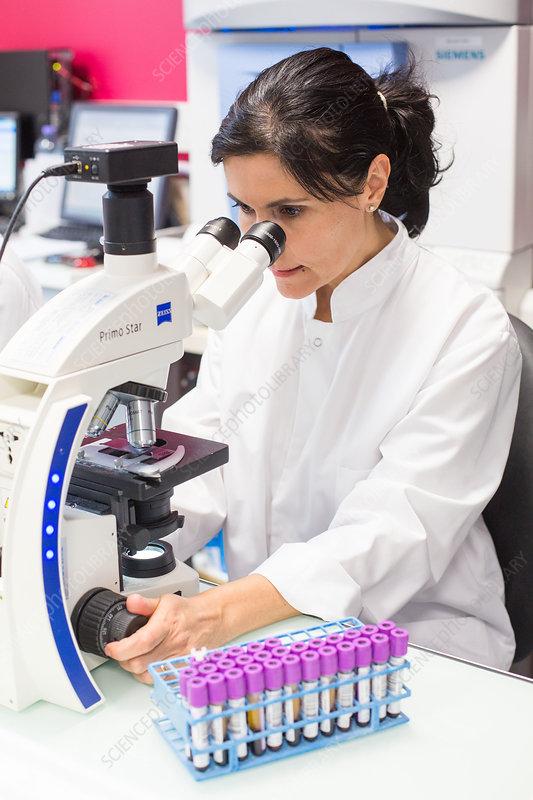
Pathology tests encompass a wide range of examinations performed on bodily fluids, tissues, and even whole bodies to diagnose and monitor diseases. These tests can include blood tests, urine tests, stool tests, biopsies, and various imaging techniques. Specific examples include complete blood counts, lipid panels, liver function tests, and urinalysis. Types of Pathology Tests: Blood Tests: These are crucial for assessing overall health and identifying various conditions. Examples include complete blood counts (CBC), lipid panels (cholesterol and triglycerides), fasting glucose tests (for diabetes), thyroid function tests, and kidney function tests. Urine Tests: Urine tests, including dipstick and microscopy, can help detect kidney problems and other health issues. Stool Tests: These tests can help diagnose gastrointestinal issues and infections. Biopsies: A biopsy involves taking a tissue sample for microscopic examination to diagnose cancer and other diseases. Imaging Tests: Various imaging techniques, such as X-rays, ultrasounds, and MRIs, can be used in pathology to visualize internal structures and identify abnormalities. Genetic Tests: These tests analyze DNA to identify genetic predispositions to certain diseases. Common Pathology Tests: Complete Blood Count (CBC): Assesses red and white blood cell counts, hemoglobin levels, and other blood components to detect anemia, infections, and other conditions. Liver Function Tests (LFTs): Evaluate liver enzymes and proteins to assess liver health and diagnose conditions like hepatitis. Lipid Panel: Measures cholesterol and triglyceride levels to assess cardiovascular disease risk. Urinalysis: Examines urine for abnormalities to detect kidney and urinary tract issues. Thyroid Function Tests (TFTs): Measures thyroid hormone levels to diagnose thyroid disorders. Pap Smear: A cytology test to screen for cervical cancer. Cultures: Used to identify infectious agents like bacteria or fungi. Other Pathology Tests: Chemical Pathology: Analyzes chemical components in body fluids. Haematology: Studies blood and blood-forming tissues. Anatomical Pathology: Examines tissues and organs to diagnose diseases. Cytopathology: Studies cells for diagnostic purposes. Medical Microbiology: Identifies infectious agents. Immunopathology: Studies the immune system and its role in disease. Genetic Pathology: Studies the role of genes in disease. Forensic Pathology: Applies pathology principles to legal investigations. General Pathology: A broad term encompassing various aspects of pathology. Clinical Pathology: Focuses on laboratory testing of bodily fluids for disease diagnosis.

Pune
08048051757
+919834023072
 Chat with us
 Chat with us